 Română
 The evolution of gambling Tracing its historical journey through time
Origins of Gambling in Ancient Civilizations
The history of gambling can be traced back thousands of years to ancient civilizations. Archaeological findings reveal that the earliest known forms of gambling took place in China around 2300 BCE, where rudimentary dice were used in games of chance. Similarly, ancient Egyptians engaged in betting games, often using knuckle bones as dice. These activities laid the groundwork for the development of gambling as a popular pastime across various cultures. Today, platforms like truefortunecasinos-uk.com/ highlight how this practice has evolved in the digital age.

In addition to dice games, the practice of wagering on the outcomes of sports events has roots in ancient Greece and Rome. The Greeks enjoyed betting on the Olympic Games, while Romans often placed bets on gladiatorial contests. These early forms of gambling were not merely recreational; they reflected societal values and highlighted the human fascination with chance and risk. The prevalence of such activities hints at a deep-seated desire for excitement and the thrill of uncertainty.
As gambling spread across different regions, it began to evolve, reflecting the unique cultural contexts of various societies. In India, for instance, games like Pachisi, which involved both skill and luck, became popular and were often played in royal courts. This cross-cultural exchange contributed to the rich tapestry of gambling traditions that would emerge over the centuries, highlighting the universal appeal of games of chance.
The Rise of Formalized Gambling Structures
The transformation of gambling from informal practices to organized activities began in the Middle Ages. By the 14th century, various forms of gambling, including lotteries, became institutionalized in Europe. Governments began to see the potential for tax revenue from these activities, leading to the establishment of state-sponsored lotteries. This marked a pivotal shift in the perception of gambling from a mere pastime to a legitimate source of income for governments.
As gambling became more structured, the concept of casinos emerged. The first official casino, the Casino di Venezia, opened in Italy in 1638, setting the stage for a new era of gambling. This establishment catered to the elite, providing a luxurious environment where individuals could indulge in games like baccarat and faro. The rise of casinos reflected changing social dynamics, as gambling became associated with sophistication and high society.
Throughout the 18th and 19th centuries, gambling establishments proliferated across Europe and the Americas. With the advent of commercial gambling, games evolved further, leading to the creation of modern variations. The establishment of regulations and the introduction of gaming laws began to shape the gambling landscape, making it safer and more appealing to a broader audience. This evolution signaled a significant shift in how society viewed gambling, paving the way for its eventual acceptance and popularity in contemporary culture.
The Impact of Technology on Gambling
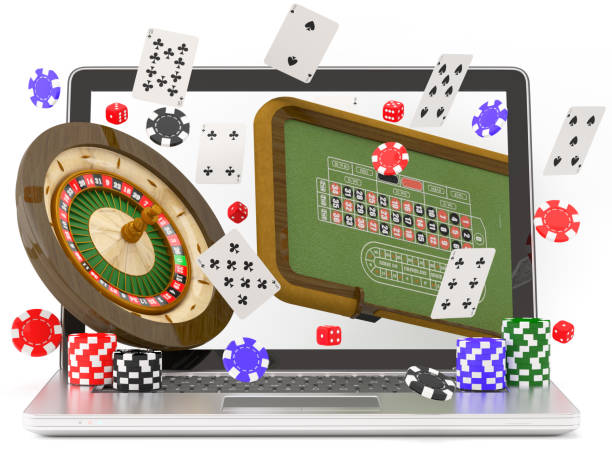
The late 20th century marked a significant turning point in the evolution of gambling, largely driven by technological advancements. The introduction of computers and the internet revolutionized how people engaged with gambling. Online casinos emerged in the mid-1990s, offering players the convenience of accessing their favorite games from home. This technological shift opened up new opportunities for gamblers, breaking geographical barriers and expanding the global gambling market.
As technology continued to advance, mobile gambling became increasingly prevalent. The rise of smartphones enabled users to enjoy casino games on the go, leading to a surge in mobile-friendly platforms. This convenience factor attracted a younger demographic, reshaping the gaming experience. Live dealer games also emerged during this period, bringing the authentic casino atmosphere directly into players’ homes through real-time video streaming.
Furthermore, the integration of cryptocurrency into online gambling platforms has introduced a new level of security and anonymity for players. Transactions can now be processed quickly and without the need for traditional banking methods. This evolution reflects a broader trend towards digitization and a growing acceptance of alternative currencies, highlighting how technology continues to redefine the gambling landscape and enhance user experiences.
Regulation and the Future of Gambling
As gambling has evolved, so too has the need for regulation. The rise of online gambling and casinos has prompted governments to implement laws aimed at protecting consumers and ensuring fair play. Regulatory bodies have been established to oversee gaming activities, ensuring that operators comply with legal standards. This regulatory framework has helped build trust between operators and players, further legitimizing the gambling industry.
Moreover, responsible gambling initiatives have gained traction in recent years, as stakeholders recognize the importance of addressing problem gambling. Many online casinos now offer tools and resources to help players manage their gambling habits. These measures reflect a growing awareness of the social responsibilities tied to gambling and a commitment to fostering a safe gaming environment.
Looking to the future, the gambling industry is poised for further transformation. The integration of artificial intelligence and virtual reality is expected to redefine the gaming experience, creating immersive environments that captivate players. As technology continues to advance, the evolution of gambling will likely mirror societal changes, adapting to meet the demands of an ever-evolving audience and maintaining its relevance in popular culture.
True Fortune Casino: Embracing the Evolution of Gaming
True Fortune Casino stands as a prime example of how the gambling industry has adapted to modern demands. Designed specifically for UK players, this online casino offers a vast array of over 800 games, including slots and live dealer options, reflecting the diverse interests of contemporary gamblers. The platform’s user-friendly interface and mobile compatibility illustrate how technology has reshaped the gaming experience, allowing players to engage with their favorite games anytime, anywhere.
Additionally, True Fortune Casino’s commitment to secure transactions is evident through its acceptance of various payment methods, including cryptocurrency. This not only enhances player security but also aligns with the growing trend toward digital currencies in the gambling sector. By offering engaging promotions and a VIP program, True Fortune Casino enhances the overall gaming experience, attracting both newcomers and seasoned players.
As the gambling landscape continues to evolve, True Fortune Casino exemplifies the industry’s ability to innovate and adapt. By prioritizing user experience and embracing technological advancements, it remains at the forefront of the gaming revolution, showcasing the future potential of online gambling while honoring the rich history that has shaped it.