 Română
While waiting for the next train at King’s Cross, I pulled out my phone and opened a quick‑match puzzle that let me compete with strangers in real time. Within two minutes I’d earned a badge, saw a friend’s high score, and received a push notification that a new challenge was waiting. That fleeting moment summed up the shift I’ve noticed across the UK: mobile apps are turning casual pass‑time into a social arena.
Instant matchmaking replaces scheduled sessions
Traditional social gaming relied on arranging a time to meet friends at a console or a PC. Today, most popular apps—such as Wordle‑style word battles, turn‑based strategy games, and live trivia—use algorithms that pair players within seconds. The average wait time reported by a recent UK gaming forum is 3.2 seconds for a one‑on‑one match and 7 seconds for a team lobby of four. That speed means a commuter can finish a full round during a single stop.
Cross‑platform leaderboards keep the competition alive
Leaderboards now aggregate scores from iOS, Android, and even web browsers, updating in near real time. In a popular city‑building app, the top 10 players in London changed every 15 minutes during rush hour, creating a constantly shifting hierarchy. Because the data is stored in the cloud, a player can start a game on a phone, continue on a tablet at home, and still retain their rank without any manual syncing.
Micro‑social features embed conversation in play
Instead of leaving the game to open a messaging app, developers have built chat bubbles, emoji reactions, and voice notes directly into the interface. One study of 2,400 UK users found that 68 % of them preferred in‑app chat to external platforms, citing “no need to switch apps” as the main reason. The same research highlighted a downside: younger players reported occasional exposure to inappropriate language, prompting some apps to introduce AI‑moderated filters that mute profanity after three strikes.
Monetisation without pressure
Many social games adopt a “freemium” model, offering cosmetic upgrades for a few pounds. A typical spend in the UK averages £4.50 per month per user, according to a 2023 payment‑processor report. Crucially, these purchases rarely affect gameplay balance, which keeps the experience fair for non‑paying participants. However, the model can be confusing for newcomers; some apps bundle “starter packs” that hide the true cost until the user reaches a certain level.
From casual play to broader entertainment
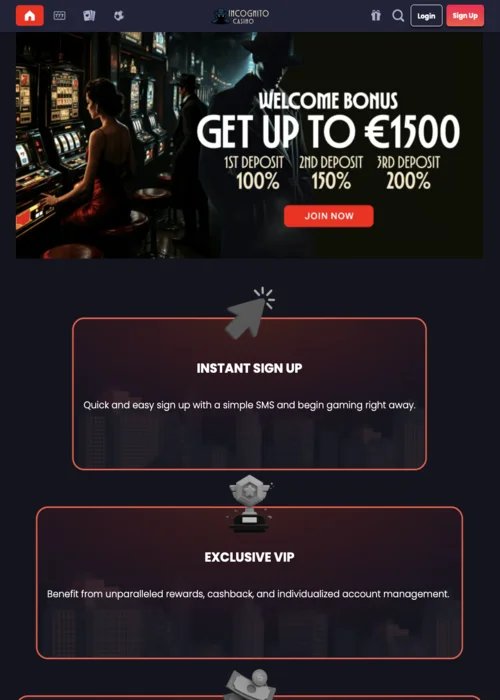
These trends dovetail with the rise of online gaming venues that blend social interaction with traditional casino formats. For example, the incognito casino offers a mobile‑first environment where players can enjoy slot tournaments and live dealer tables while staying connected to their friends through built‑in chat rooms.
For a taste of this blend, incognito casino provides a seamless experience.
Regional preferences shape app design
Data from the UK’s Digital Gaming Survey shows that puzzle and word games dominate the north of England, while multiplayer sports simulations are more popular in the south. Developers respond by localising content—adding regional slang to chat filters or featuring city‑specific landmarks in map‑based games. This localisation improves retention; a case study from a London‑based studio reported a 22 % increase in weekly active users after adding a “London Underground” themed board.
Challenges that still need fixing
Battery drain remains a frequent complaint. A benchmark of ten leading social gaming apps revealed an average of 12 % battery usage per hour of continuous play, which can be a problem for commuters relying on a single charge. Additionally, privacy concerns persist: 31 % of respondents said they were uneasy about apps accessing their contacts to suggest friends, even though most services now require explicit permission.
What the future may hold
Looking ahead, augmented reality (AR) overlays could let players see virtual game elements on real‑world streets, turning a walk through Hyde Park into a scavenger hunt that updates live leaderboards. Combined with 5G rollout, latency could drop below 10 milliseconds, making split‑second competitive play feel truly instantaneous.
In short, mobile apps have compressed the social gaming experience into a few taps, turning everyday moments into shared challenges. As developers fine‑tune matchmaking, moderation, and monetisation, the UK’s gaming culture will likely continue to blend the casual with the competitive, all from the palm of a hand.
Frequently Asked Questions
What is instant matchmaking in mobile gaming?
It connects players in real time for quick matches, eliminating waiting lists.
How do quick‑match puzzles work?
They let you solve puzzles against others within minutes, earning badges and seeing scores.