 Română
 Understanding the psychological triggers behind gambling behavior
The Allure of Risk and Reward
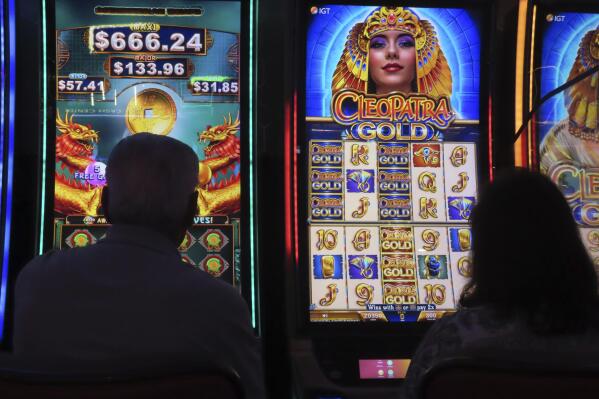
The psychology behind gambling behavior is fundamentally rooted in the thrill of risk and reward. This allure often leads individuals to engage in gambling despite understanding the potential consequences. The concept of variable reinforcement—where rewards are unpredictable—plays a crucial role in gambling. This uncertainty makes the experience exciting; players may feel an adrenaline rush with each spin of the slot machine or roll of the dice, creating a cycle of anticipation and desire. Many enjoy visiting a lively casino, exploring exciting options like pokies online australia.

Moreover, the human brain is wired to seek rewards, releasing dopamine when a person wins. This biochemical reaction can reinforce the behavior, making players eager to chase that „next big win.” The instant gratification that comes from winning, however small, further cements the habit. For many, the thrill of potentially winning money overshadows the reality of losing, creating a compelling psychological trap.
Additionally, social influences can amplify this risk-taking behavior. Friends or family members who gamble or share their success stories can create an environment that normalizes this habit. This external validation may boost a person’s confidence and lead them to believe that they, too, can experience similar wins. Thus, the initial thrill of gambling can evolve into a powerful psychological dependency driven by the quest for excitement and social approval.
The Role of Emotion in Gambling Decisions
Emotions significantly impact gambling behavior, often driving individuals to gamble during moments of high stress or emotional turmoil. Many people turn to gambling as a coping mechanism to escape from their problems or to alleviate feelings of sadness, anxiety, or loneliness. When they experience an emotional low, the desire to seek instant gratification can override logical decision-making, leading them to take risks they might otherwise avoid.
Furthermore, positive emotions can also lead to gambling, particularly when individuals are in celebratory moods. Events like weddings or birthdays may prompt a person to gamble as part of the festive activities, creating a cycle where emotions dictate behavior. These emotional triggers can make gambling feel more acceptable and even enjoyable, reinforcing the habit over time as individuals associate gambling with both positive and negative life events.
Additionally, gamblers often misinterpret their emotional state, believing that winning can restore their lost confidence or improve their overall mood. This irrational belief can lead to a vicious cycle of gambling, where individuals continually seek that elusive high, despite accumulating losses. Understanding how emotions fuel gambling behavior is crucial for developing effective strategies for intervention and promoting responsible gambling practices.
The Impact of Cognitive Biases
Cognitive biases play a significant role in shaping gambling behavior, often leading individuals to misjudge their chances of winning. One common bias is the „gambler’s fallacy,” where players believe that past outcomes influence future ones. For instance, if a slot machine hasn’t paid out for a while, gamblers may incorrectly assume that a win is “due,” prompting them to continue playing despite statistical evidence to the contrary.
Another prevalent bias is overconfidence, which can lead individuals to believe they possess skills or insights that give them an edge over others. This belief is particularly evident in games like poker, where players may underestimate their opponents or overestimate their own abilities, ultimately leading to greater financial loss. This cognitive distortion reinforces the gambling cycle, as individuals convince themselves that they can overcome the odds.
Moreover, the framing effect can skew a gambler’s perception of outcomes. When wins are framed positively, they seem more significant than they are, while losses may be downplayed or ignored. This selective perception can make the gambling experience seem more rewarding than it objectively is, perpetuating the urge to gamble further. Addressing these cognitive biases is essential for understanding and modifying gambling behavior effectively.
The Social Environment and Gambling Culture
The social environment significantly influences gambling behavior, as cultural norms and peer behaviors shape individual attitudes toward gambling. In cultures where gambling is celebrated or integrated into social rituals, individuals may feel a heightened inclination to participate. This social acceptance can reduce the perceived risks associated with gambling, making it more likely for individuals to engage in it without fully understanding the potential consequences.
Moreover, the growth of online gambling has transformed the social landscape, allowing individuals to gamble in private or among friends without the same societal scrutiny. Online platforms create virtual communities where experiences and wins are shared, potentially amplifying the excitement and perceived legitimacy of gambling. This digital engagement can further enhance the addictive nature of gambling, as players are constantly exposed to advertisements and promotions that encourage continuous play.
Furthermore, social pressure can compel individuals to gamble, especially in group settings where friends or family members are involved. The desire to fit in or bond over shared experiences can override personal reservations, leading to increased gambling participation. Understanding the social dynamics surrounding gambling is vital for addressing the behaviors and implementing effective prevention strategies.
Exploring Responsible Gambling Practices
Understanding the psychological triggers behind gambling behavior is essential in promoting responsible gambling practices. Educational initiatives that inform players about the risks and cognitive biases involved can empower them to make informed decisions. By raising awareness of the emotional and psychological aspects of gambling, individuals can better recognize when they are at risk and seek help if needed.
Furthermore, responsible gambling strategies should include setting limits on time and money spent, as well as developing self-awareness to recognize unhealthy patterns. Tools such as budgeting and reflecting on one’s emotional state can help players maintain control over their gambling habits. Encouraging open discussions about gambling experiences among friends and family can also create a supportive environment for individuals who may be struggling.
Ultimately, fostering a culture of responsible gambling requires collaboration among various stakeholders, including gambling operators, regulators, and community organizations. By prioritizing education and awareness, we can create a safer gambling environment that respects individual choices while protecting vulnerable populations. This holistic approach ensures that gambling remains a form of entertainment, free from the shackles of addiction and negative consequences.